The True Nature of Wasteful Spending Through the Story of Marie Antoinette
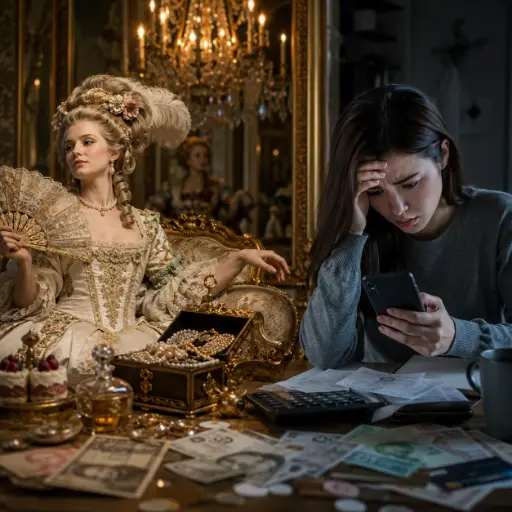
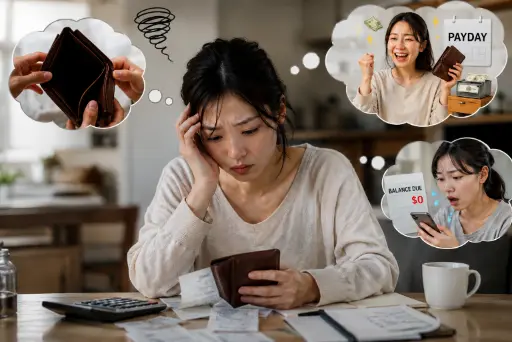
“You suddenly realize your money is gone.”
“Payday feels reassuring.”
“But just a few weeks later, you find yourself staring at your bank balance in panic.”
This is a problem shared by countless people today.
It’s not necessarily because their income is extremely low.
It’s not because they never try to save money.
And yet, somehow, nothing remains.
So many people come to the same conclusion:
“If I just endure more and spend less, I should be able to save.”
But history tells a different story.
The truth is—
The real reason people lose money is not simply “spending” itself.
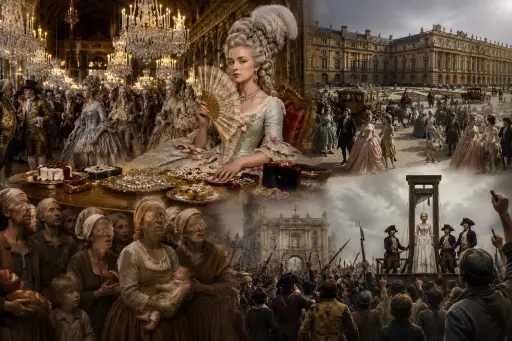
Marie Antoinette, Queen of France
18th-century France.
The Palace of Versailles had become one of the most luxurious places in the world.
At the center of it all stood the Queen of France — Marie Antoinette.
She loved beautiful dresses, collected jewelry, hosted extravagant parties, and spent enormous amounts of money.
While ordinary people struggled just to buy bread, vast fortunes disappeared inside the palace walls.
Eventually, she came to be hated as “the symbol of wasteful excess.”
And in the end, she was executed during the French Revolution.
Looking only at this, many people reach the same conclusion:
“So luxury itself must be evil.”
But that is not the real issue.
The Real Mistake of Marie Antoinette
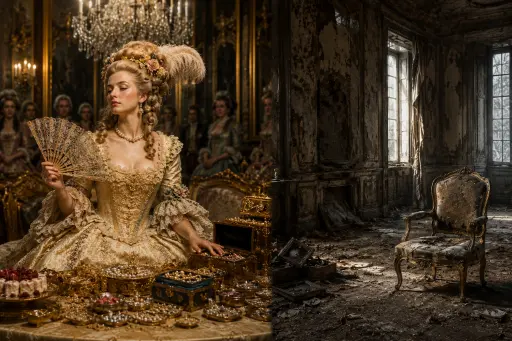
The problem was not “buying expensive things.”
Her true failure was continuing “consumption that left nothing for the future.”
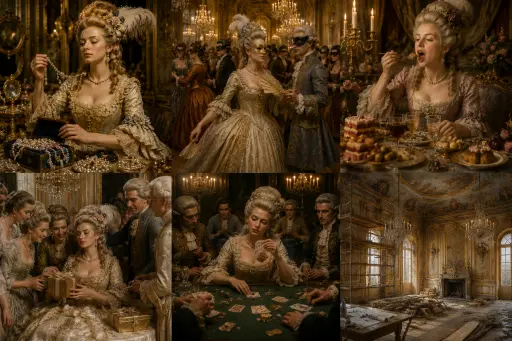
The money she spent was used for:
- Luxurious dresses and jewelry → vanity and the desire for admiration
- Masquerade balls → entertainment
- Lavish meals → no concern for health
- Expensive gifts for friends who only wanted money → unnecessary relationships
- Gambling → meaningless waste
- Renovating the palace → for herself alone
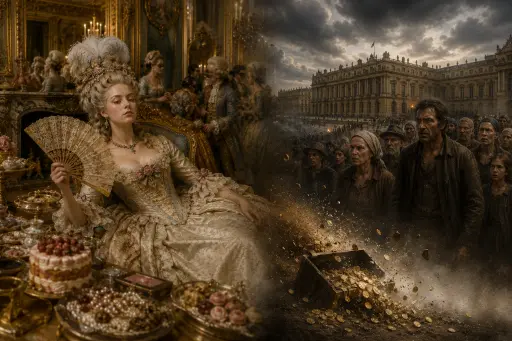
None of these things.
- made the nation stronger
- increased the support of the people
- created new value
- improved her own abilities
In other words, it was “money that simply disappeared.”
And that was fatal.
For Those Who Want to Learn More About the Life of Marie Antoinette
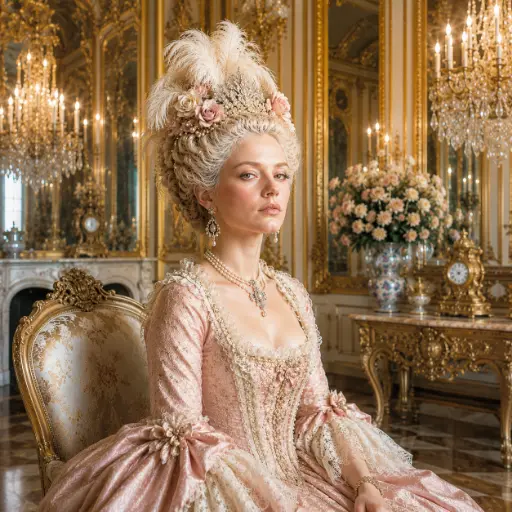
She was not simply “a wasteful queen.”
Why was she hated so intensely?
Was she truly a “villain”?
And why did she ultimately become a symbol of the Revolution and face execution?
If you want to explore her life in greater depth through a story-driven article, read here:
👉 「Marie Antoinette: The Greedy Queen」
https://thechroniclesofhumanity.com/marie-antoinette-the-greedy-queen/
Modern People Are Making the Same Mistake
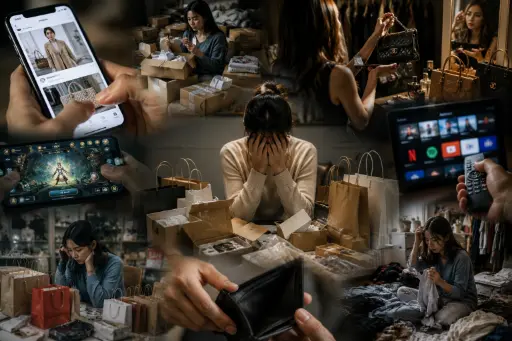
This is not just a story about the 18th century.
Even today, many people are making the exact same mistake.
For example—
- impulsively buying products seen on social media
- purchasing large amounts of cheap items simply because they are inexpensive
- buying luxury brands for validation and approval
- paying for subscriptions they never use
- spending money on games or apps just to kill boredom
- shopping to relieve stress
- repeatedly replacing cheap products over and over again
What all of these have in common is this:
They end as “momentary pleasure.”
In other words, the money is simply “disappearing.”
It is not becoming “an investment.”
“Saving Money” Alone Does Not Solve the Problem

This is where people must not misunderstand the problem.
What is necessary to save money is not “extreme self-denial.”
In fact, it is the opposite.
What truly matters is “What you choose to spend money on.”
There Have Also Been People in History Who Used Money and Succeeded

Take Oda Nobunaga, for example.
He also spent enormous amounts of money.
However, Nobunaga invested in:
- firearms
- castles
- commerce
- talented people
- distribution and trade
Because he understood the importance of spending money on “Things that could change the future.”
Rather than wasting money on temporary luxury or appearances, Nobunaga spent it on:
- firearms that could change the outcome of war
- Rakuichi-Rakuza policies that revitalized the economy
- castle towns that attracted people and commerce
- capable and talented individuals
In other words, he spent money on “places where value could be recovered in the future.”
That is why his spending was not “waste.”
It was “investment.”
The Common Trait of People Who Can’t Save Money
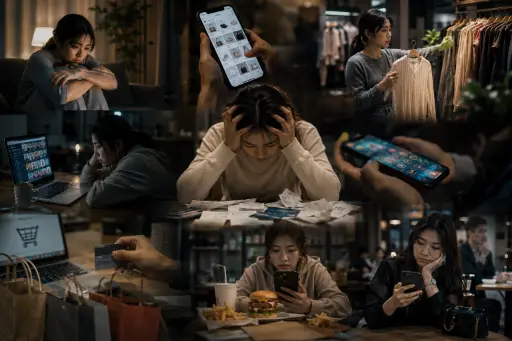
History shows that the pattern is surprisingly simple.
People spend money based on
“short-term emotions.”
That is the common trait.
- anxiety
- loneliness
- stress
- vanity
- the desire for approval
The moment people are controlled by emotion, they begin to lose money.
And the real problem is this:
That spending changes nothing about the future.
So, What Makes People Who Keep Their Money Different?

They spend money on “things that improve their lives.”
For example:
- health
- learning
- tools they use every day
- things built to last
- relationships
- experiences
- skills
Even if these things are expensive in the short term, In the long run, they strengthen life itself.
What Is “Real” Saving?

Many people believe that “buying cheap things” is what saving money means.
However, history shows that “not buying things with no real value” is what true saving actually is.
What History Teaches Us About Money
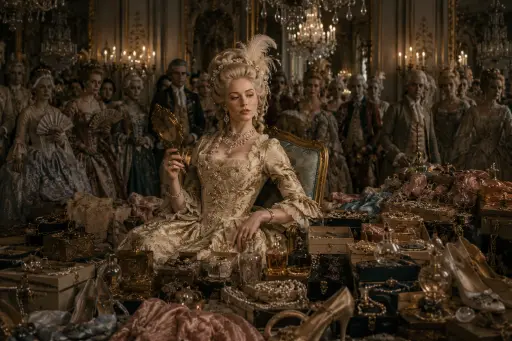
Do Not Spend Money for Approval seeking.
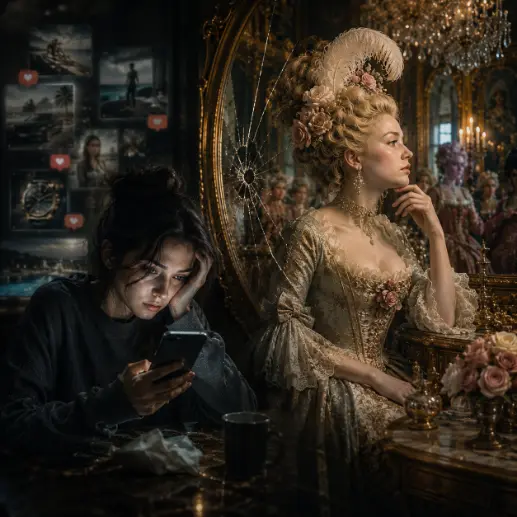
Much of Marie Antoinette’s wasteful spending came from worrying about how she appeared to others.
Today, many people do the same thing through social media and status-driven consumption.
Spending motivated by vanity never truly ends.
However, whether the clothes you wear are luxury brands or not, your value as a person does not change.
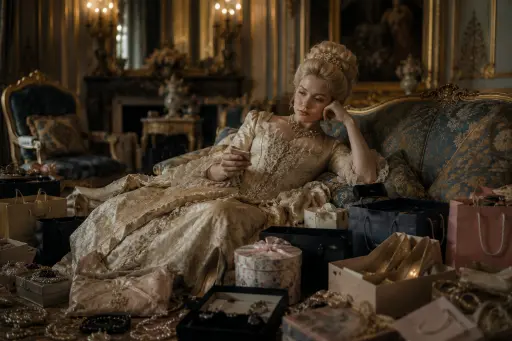
Boredom Creates Waste
People tend to make unnecessary purchases when they are bored.
Even in aristocratic societies throughout history, boredom and idleness fueled excessive consumption.
When you are bored, choose action instead of consumption.
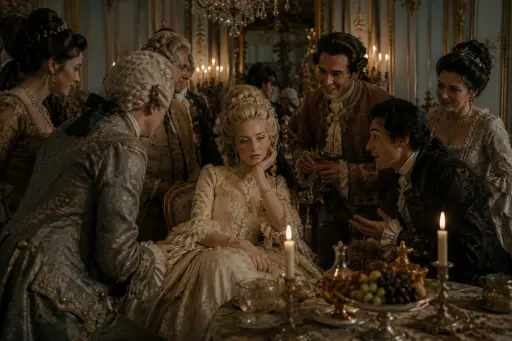
Relationships Also Have Maintenance Costs
Unnecessary relationships drain your money, time, and mental energy.
Many of the people surrounding Marie Antoinette were drawn to her for personal gain.
People who gather around you simply because you have money are not true friends.
The people who stay beside you when you have nothing — when you are genuinely struggling — are your real friends.
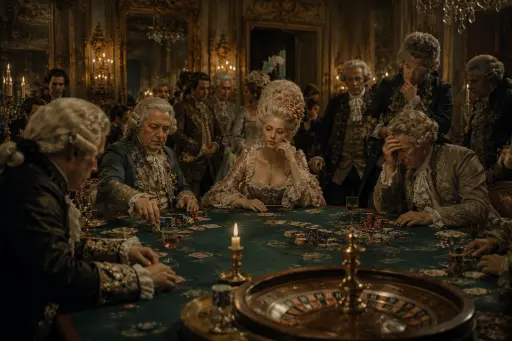
Do Not Get Involved in Gambling
The moment people start believing they can gain great wealth through little effort, they begin to lose their sense of judgment.
Throughout history, many nobles and wealthy individuals lost their fortunes through gambling.
Even in the aristocratic society of Marie Antoinette’s era, gambling was one of the great cultures of wasteful excess.
Gambling is not an investment.”
If there is a chance to gain a fortune instantly, there is also a chance to lose everything instantly.
“Rome was not built in a day.”
Real wealth is usually built slowly, steadily, and over time.
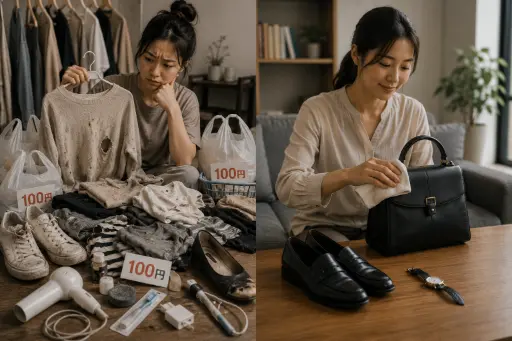
Stop Wasting Money on Cheap, Low-Value Things
When you keep buying low-value items simply because they are cheap, you eventually lose storage space, maintenance costs, replacement costs, and time. Throughout history, many people have failed because of “short-term cheapness.”
You should not waste your resources on low-quality things.
Use your resources on things that truly have value.

If “Price” Is the Reason You Buy It, Don’t Buy It.
If “Price” Is the Only Reason You Don’t Buy It, Buy It.
Things chosen only because they are cheap are often things you do not truly value.
On the other hand, when you deeply feel that you truly want something — even if it is expensive — it is often because you genuinely recognize its value.
People quickly lose interest in things they never truly valued.
The more genuine value people feel toward something, the more carefully they treasure it and continue using it for a long time.
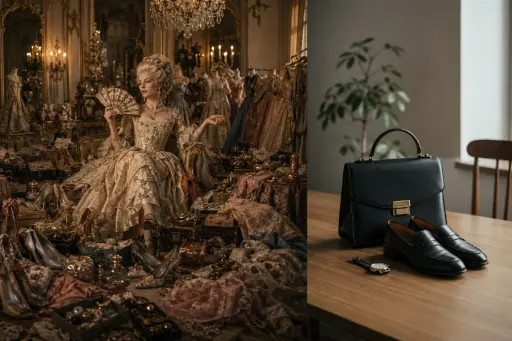
Own Fewer Things, but Choose Better Ones
Marie Antoinette continued endless consumption. However, simply increasing the number of possessions does not endlessly increase happiness.
You do not need many things.
Own fewer things — but choose things you truly value and genuinely love.
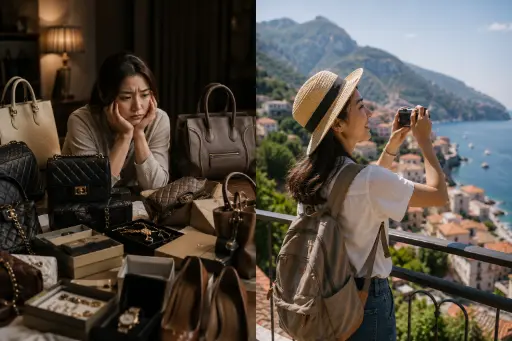
Spend money on experiences, not possessions
The excitement of owning things fades over time.
But experiences remain in memory for the rest of your life.
Many of the people remembered throughout history gained not “possessions,” but “experiences.”
Showing off expensive items often makes people dislike you.
But when you talk about meaningful experiences and memorable moments, conversations grow naturally.
Experiences connect people.
Possessions often only invite comparison.
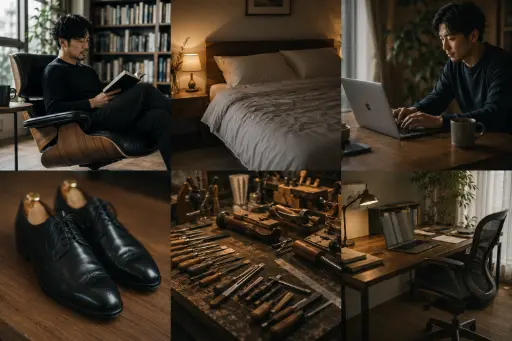
Spend Money on the Things You Use Every Day
Shoes, chairs, bedding, PCs, tools — the things you use every day directly affect your life itself.
Spending money on things that improve the efficiency and quality of your life is not “consumption.”
It is “investment.”
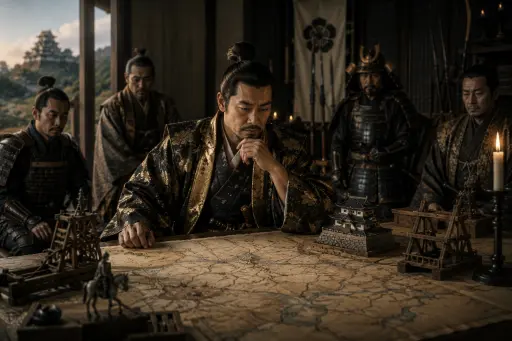
Choose Spending That Strengthens the Future
Oda Nobunaga spent money on things that could change the future.
Spending can become either “waste” or “investment.”
Conclusion
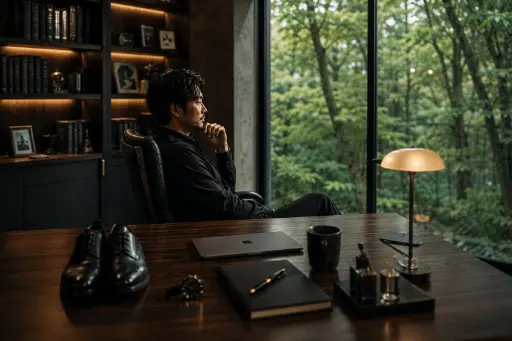
Focus on What Truly Has Value
What enriches life is not “owning large amounts of things.”
When people focus on the things they truly value, the quality of their lives changes dramatically.
Final Thoughts
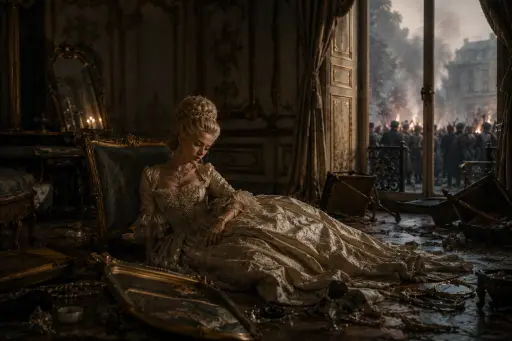
Marie Antoinette did not fall simply because she lived luxuriously.
She continued, “consumption that simply disappeared.”
And in the end, she was forced to pay the price for it.
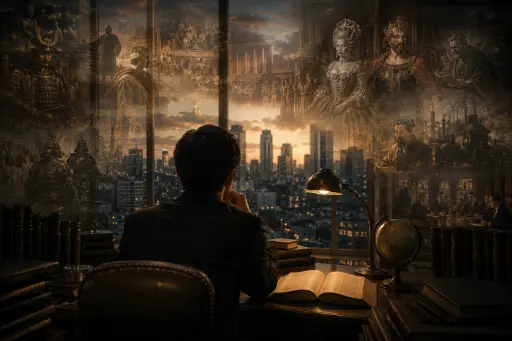
Modern people are no different.
People lose money not when they lose sight of “price,” but when they lose sight of “value.”
That is why what truly matters is not “endless self-denial.”
Author Fuji

What matters is choosing spending that creates value for the future.
History has proven this again and again.
The problems we struggle with today are not unique.
They are patterns humanity has repeated throughout history.
And many of those problems have already been experienced, understood, and solved by those who came before us.
“When you understand history, you understand the present.”
Become Part of the Chronicle
If this article inspired you, consider supporting the project.
Become a character in the Chronicle.
Receive your own custom card and stand alongside queens, warriors, inventors, rebels, and legends from history.
Your support helps keep these stories alive and allows me to create more articles, illustrations, and historical cards.
Join the Chronicle and leave your mark on history.
Comment