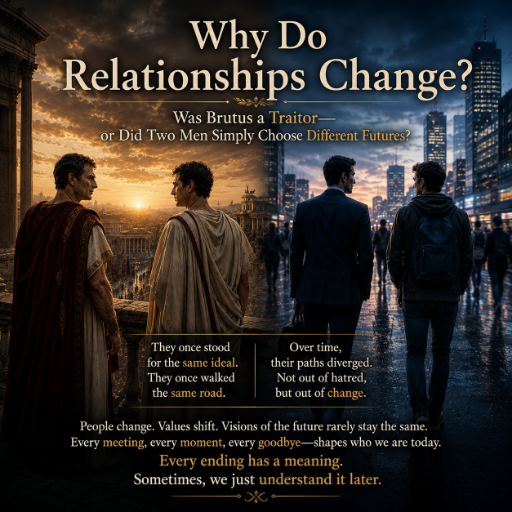
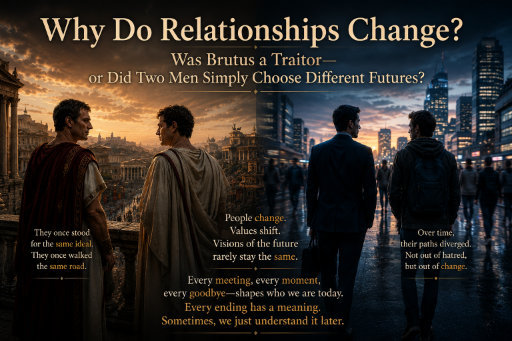
Was Brutus a Traitor
or
Did Two Men Simply Choose Different Futures?
Have You Ever Felt That Someone Betrayed You?

• We used to be so close.
• They used to love me so much.
• They used to be on my side.
Many people have experienced something like this.
And when it happens, you may find yourself thinking, “They’ve changed.”
But is it really normal to expect people never to change?
Are You Still Close to Your Childhood Friend?
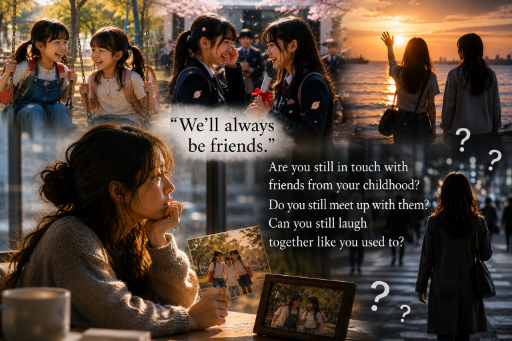
A friend you used to play with almost every day in elementary school.
Someone who stood beside you on graduation day and said, “We’ll be friends forever.”
Do you still keep in touch with that person?
Do you still meet them?
Can you still laugh together the way you once did?
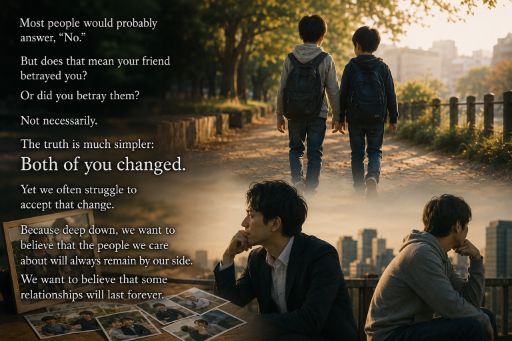
For most people, the answer is probably “No.” So, did that friend betray you?
Or did you betray them?
Probably not.
The truth is much simpler: Both of you changed.
Yet we often struggle to accept that change.
Because deep down, we want to believe that our relationships with the people we care about will last forever.
We Long for Relationships That Never Change

• We want our best friends to remain our best friends forever.
• We want our partners to remain our partners forever.
• We want our families to always be on our side.
There is nothing wrong with wanting that.
It is only natural.
But Life Is Constantly Changing

• We start a new job.
• We get married.
• We have children.
• We move to a new place.
• We succeed.
• We fail.
And with each of these experiences, we change.

• Your values change.
• Your priorities change.
• Your purpose in life changes.
And it is not only the other person who changes.
You change as well.
The Person You Were Ten Years Ago Is Not the Person You Are Today

• The things you like are different.
• The way you think is different.
• The things you consider important in life are different.
That is why changing relationships are not the exception.
They are the natural result of people changing.
Even in Ancient Rome, There Were Two Men Who Once Trusted Each Other
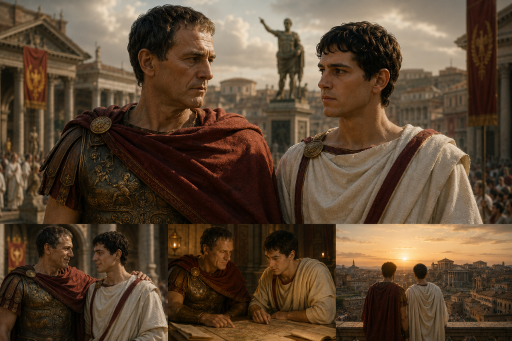
More than two thousand years ago, there were two men in ancient Rome.
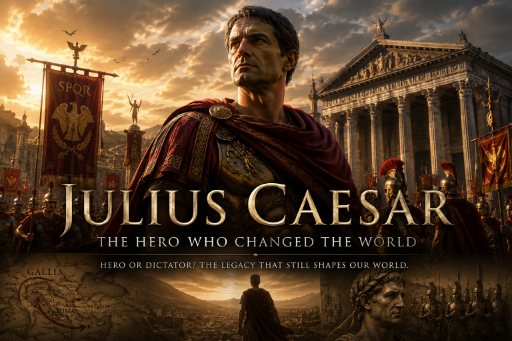
One was Julius Caesar, one of the most famous figures in Roman history.
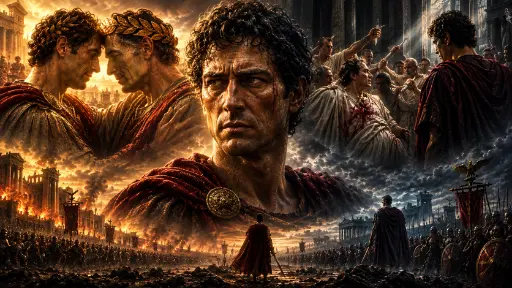
The other was Marcus Junius Brutus, a young and talented politician.
They were not merely acquaintances.
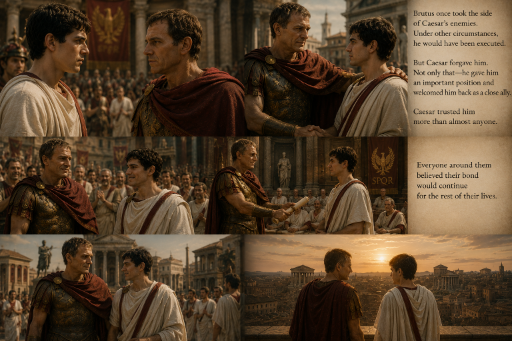
Brutus had once fought on the side opposing Caesar.
Under normal circumstances, that could have meant execution.
But Caesar chose to forgive him.
More than that, he entrusted Brutus with important positions and welcomed him back into his inner circle.
That was how deeply he trusted him.
Most people would have assumed that their relationship would continue for years to come.
But life is rarely that simple.
Two Men Who Once Walked the Same Path
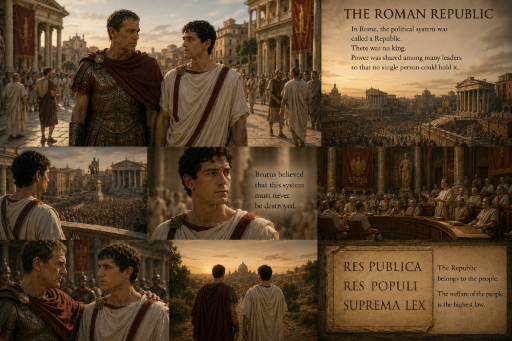
At that time, Rome was governed as a republic.
There was no king.
Power was shared among multiple politicians, and no single person was supposed to hold absolute authority.
Brutus believed that this system must be protected.
But as the years passed, Caesar grew increasingly powerful in Rome.
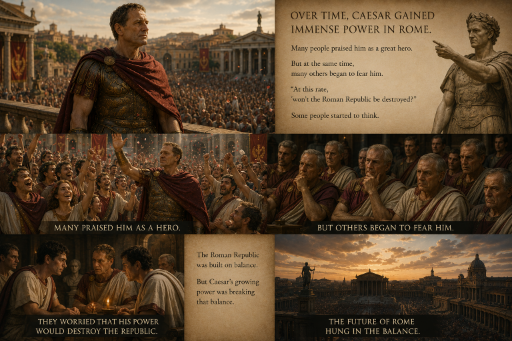
Many people praised him as a hero.
Yet others began to worry.
“What if the Roman Republic does not survive this?”
Some feared that Rome’s centuries-old system was slowly being replaced by the rule of one man.
Brutus was among those who shared that fear.
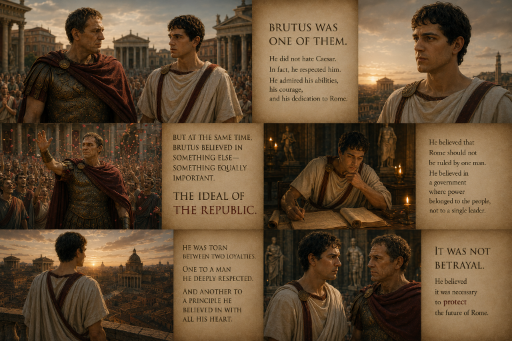
He did not hate Caesar.
If anything, he respected and admired him.
Yet there was something else he held dear.
The ideal of the Republic.
Both men loved Rome deeply.
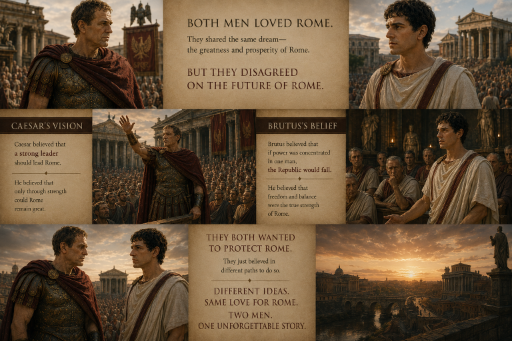
They shared the same dream: A prosperous Rome.
But they held very different visions of how that future should be achieved.
Caesar believed that Rome needed a strong leader to guide it.
Brutus, on the other hand, believed that if too much power were placed in the hands of one man, the Republic would eventually fall.
Both men were trying to protect Rome.
They simply disagreed on how it should be saved
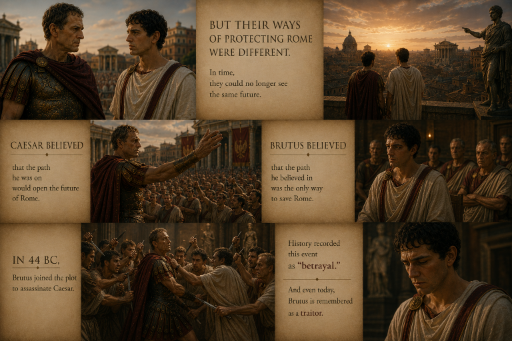
Eventually, the two men could no longer see the same future.
• Caesar believed that his path was the one that would lead Rome into a new era.
• Brutus believed that his path was the one that would save Rome.
Then, in 44 BC, Brutus joined the conspiracy to assassinate Caesar.
History remembered the act as a betrayal.
And even today, Brutus is often remembered as a traitor.
But Who Was the Real Traitor?
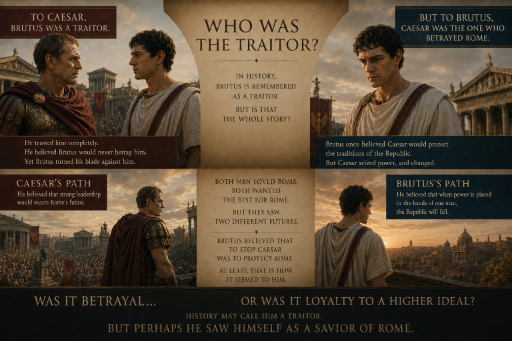
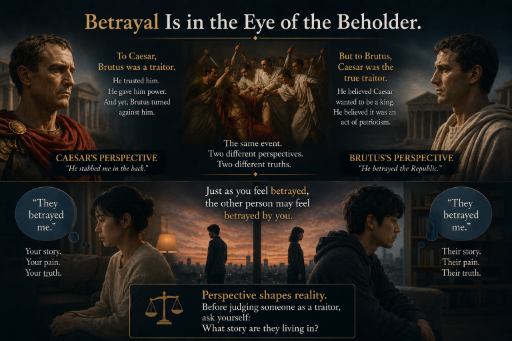
To Caesar, Brutus was undoubtedly a traitor.
A man he trusted completely—someone he never expected to betray him—had turned a blade against him.
But from Brutus’s perspective, perhaps it was Caesar who had become the traitor.
Brutus believed that Caesar would protect the traditions of the Republic.
Instead, Caesar accumulated more and more power and seemed to become a different man from the one Brutus had once admired.
“Caesar is destroying the Republic.”
At least, that is how it appeared to Brutus.
And he came to believe that, if Rome was to be saved, Caesar had to be stopped.
The event itself was the same.
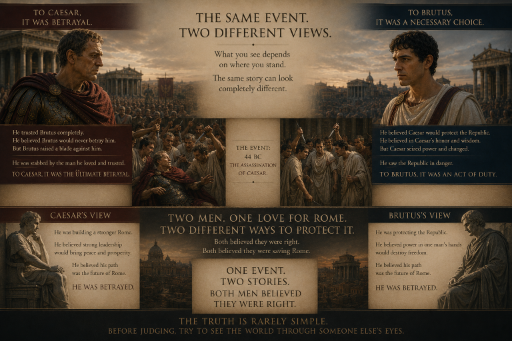
Yet each man saw it through a different lens.
One believed he had been betrayed.
The other believed the very same thing.
We all see the world through our own eyes.
That is why the same event can become two completely different stories.
But the important question is not who was right.
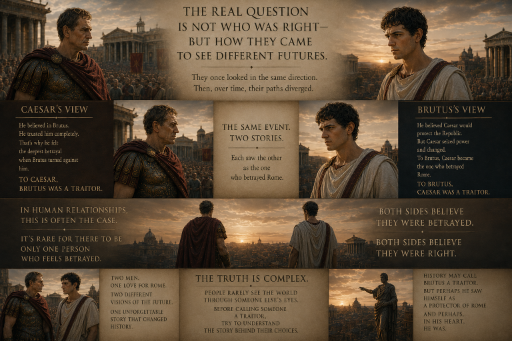
What matters is not who was right.
What matters is that two men who once looked toward the same future eventually began to see different ones.
Caesar saw Brutus as a traitor.
Brutus may have seen Caesar the same way.
And the same thing often happens in our relationships today.
More often than not, there is no single traitor.
Both people believe they were the ones who were betrayed.
And the same thing happens in our relationships today.
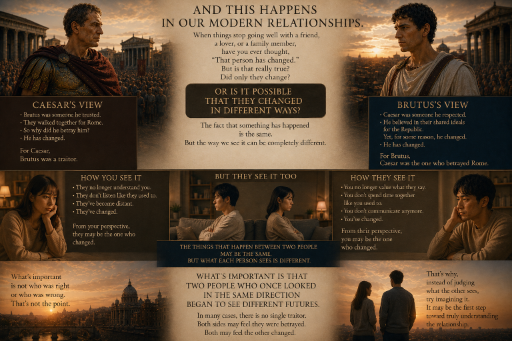
When a friendship, a romantic relationship, or even a family bond begins to fall apart, you may find yourself thinking:
“They’ve changed.”
But is that really true?
Was it only the other person who changed?
Or have you changed as well?
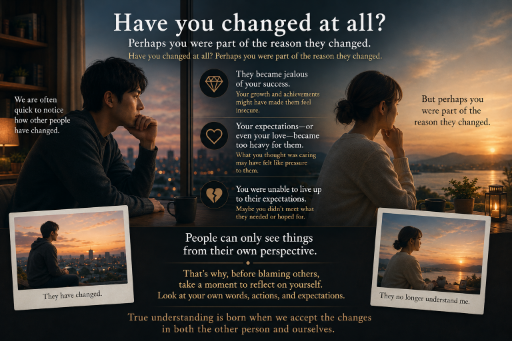
Perhaps you were part of the reason they changed.
• They became jealous of your success.
• Your expectations—or even your love—became too heavy for them.
• You were unable to meet their expectations.
We are quick to notice how other people have changed.
But we are surprisingly blind to our own changes.
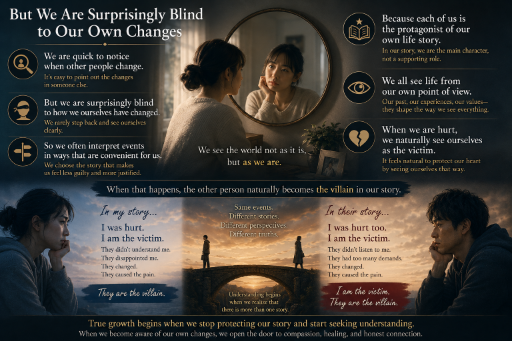
So we often interpret events in ways that are convenient for us.
Because each of us is the protagonist of our own life story.
We all see the world from our own point of view.
And when we are hurt, we naturally see ourselves as the victim.
When that happens, the other person naturally becomes the villain.
That Is Why, When a Relationship Ends, We Often Want to See the Other Person as the Betrayer.

We consider “I was betrayed.” Because
• Because it is easier to blame someone else.
• Because it saves us from having to blame ourselves.
• Because it helps us justify our own choices and emotions.
Not Every Relationship Ends Because Someone Meant to Hurt You
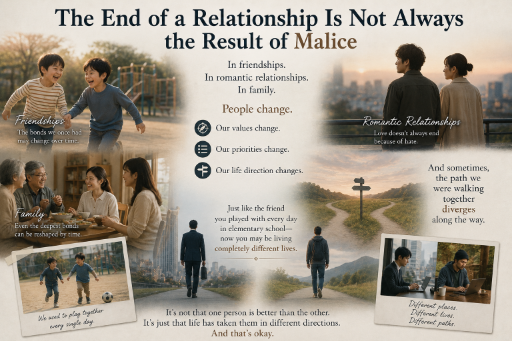
Friendships.
Romantic relationships.
Family bonds.
People change.
• Their values change.
• Their priorities change.
• Their direction in life changes.
And sometimes, the paths they once walked together begin to separate.
Just as the friend you once played with every day in elementary school may now be walking a completely different path in life.
Lessons from History
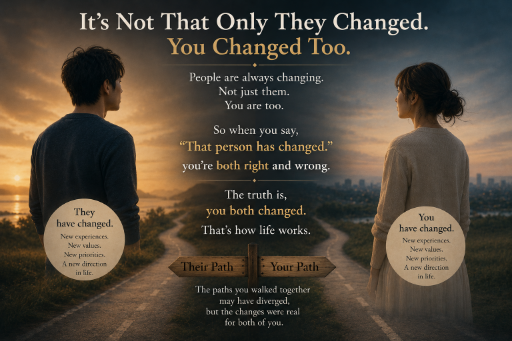
1. It Was Not Only the Other Person Who Changed — You Changed Too
People are constantly changing.
And it is not only the other person who changes.
You change as well.
That is why the statement, “They’ve changed,” is only half true.
And half false.
In reality, both of you have changed.
2. Betrayal Is Often a Matter of Perspective
To Caesar, Brutus was a traitor.
But to Brutus, it may have been Caesar who had become the traitor.
The same event can look completely different depending on where you stand.

Just as you may believe that someone betrayed you, they may believe that you betrayed them.
3. You Cannot Control Another Person
What another person chooses to value.
What kind of life they choose to live.
Those decisions belong to them.
Not to you.
We can love others. We can support them.

But we cannot decide whether they will love us in return, or whether they will continue to walk beside us.
4. You Have the Right to Change, Too
As we move through life, we grow.
Our values change.
Our priorities change.
The path we choose to follow changes as well.
That is why walking a different path from someone who was once part of your life is not necessarily a failure.
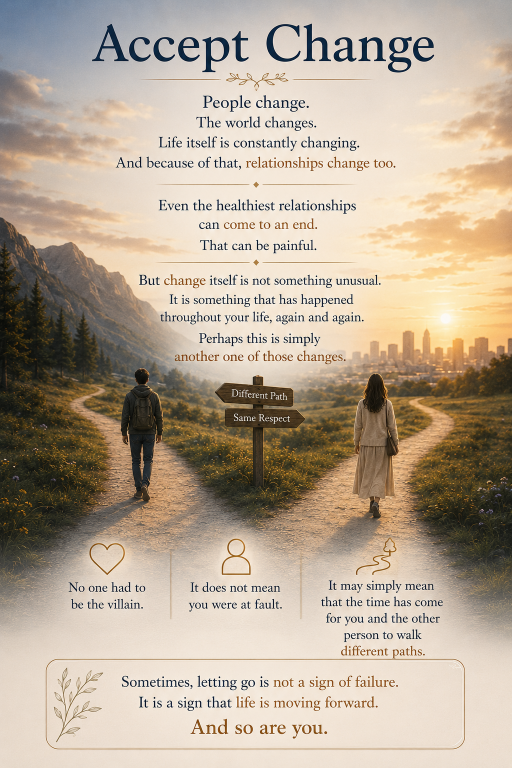
Sometimes, it is simply a part of growing.
5. Accept Change
People change.
Circumstances change.
The world itself is constantly changing.
And because of that, relationships change as well.
No matter how strong a relationship once was, it may eventually come to an end.
That can be painful.
But change itself is not something unusual.
It is something that has happened throughout your life, again and again.
Perhaps this is simply another one of those changes.
It does not mean that someone was wrong.
It does not mean that you were at fault.
It may simply mean that the time has come for the two of you to walk different paths.
In Closing
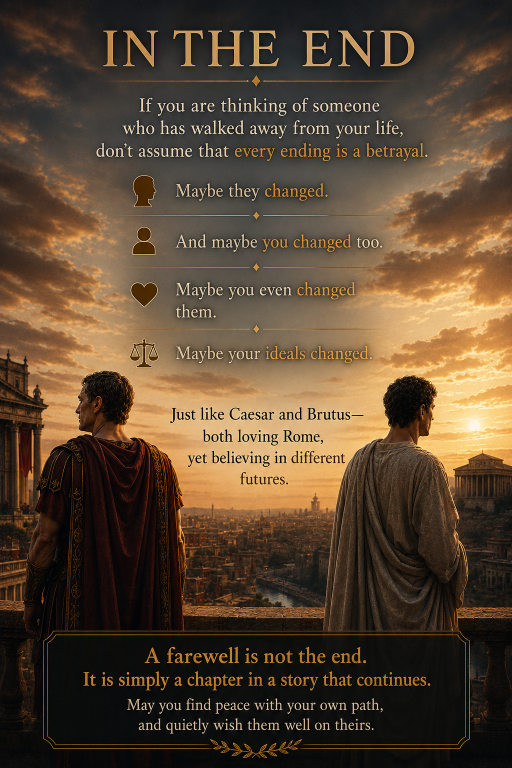
If there is someone who has drifted away from your life, do not assume that the relationship ended because of betrayal.
Perhaps they changed.
Perhaps you changed.
Perhaps you changed each other.
Perhaps the ideals you once shared began to change as well.
Just as Caesar and Brutus both loved Rome, yet came to believe in different futures.
Life is a series of changes.
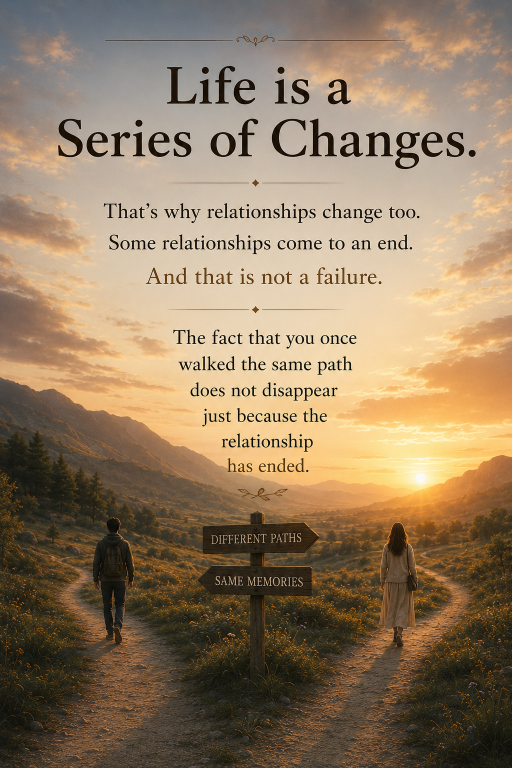
And because of that, relationships change too.
Some relationships come to an end.
That does not mean they were failures.
The fact that you once walked the same path does not disappear simply because that path eventually came to an end.
The value of a relationship is not measured by how long it lasts

It is found in the time you shared, the experiences you lived through together, and the moments you saw the world through the same eyes.
The meeting.
The journey.
And even the farewell.
All of these become part of who you are.
So even if a relationship ends, it does not mean it was meaningless.
And sometimes, the true meaning of that relationship is only understood long after it is over.
Author Fuji

Why Do Relationships Change?
“When you understand history, you understand the present.”
Read the Story
Experience Julius Caesar’s life through a cinematic historical narrative.
👉 Julius Caesar — The Hero Who Changed the World
Read the Story
Experience Marcus Junius Brutus’s life through a cinematic historical narrative.
👉 Marcus Junius Brutus — Hero or Traitor?

Become Part of the Chronicle
If this article inspired you, consider supporting the project.
Become a character in the Chronicle.
Receive your own custom card and stand alongside queens, warriors, inventors, rebels, and legends from history.
Your support helps keep these stories alive and allows me to create more articles, illustrations, and historical cards.
Join the Chronicle and leave your mark on history.


Comment