
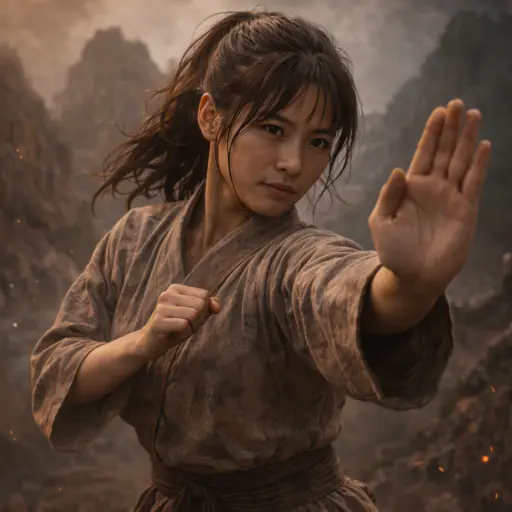
Yim Wing Chun
The Girl Whose Fist Surpassed Strength
First, to get straight to the point—
Yim Wing Chun was likely a real person, but her story has been heavily shaped and embellished by legend.
However, her name gave birth to an entire martial arts system that is still practiced around the world today—and that alone speaks for itself.
■ Who Was Yim Wing Chun?
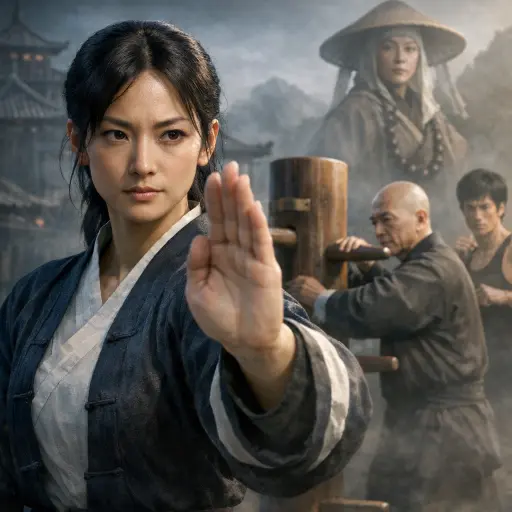
Yim Wing Chun is regarded as the female founder of Wing Chun, a martial art that originated in southern China.
She is believed to have lived during the early Qing Dynasty, around the 17th century.
What makes her story especially unique is this 👇
👉 A combat system created by a woman
👉 A rational method designed to overcome differences in physical strength
In other words, it’s not about overpowering your opponent with brute force.
It’s a system built for the smaller fighter to defeat the stronger one.
■ The Legendary Story (Almost Like a Wuxia Novel)
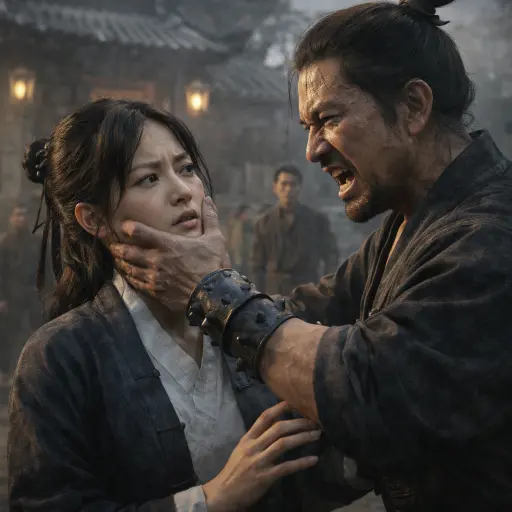
● The Threat of Forced Marriage
Yim Wing Chun was known for her beauty, which caught the attention of a local bully—a martial artist with a reputation for getting what he wanted.
“Marry me,” he demanded. “If you refuse, I’ll take you by force.”
For most, that would have been checkmate.
But—
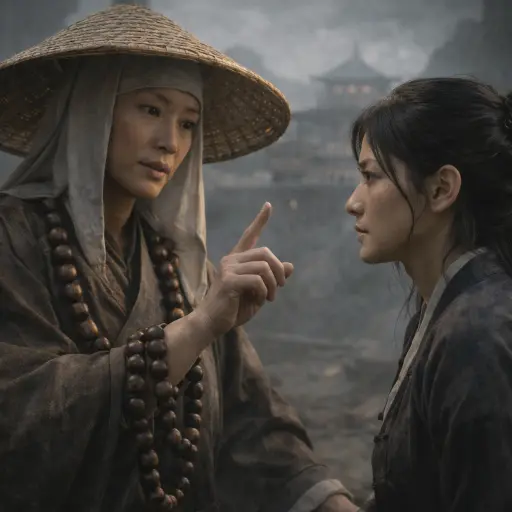
●Here, a Buddhist nun said to have come from the Shaolin Temple appears:
👉 Ng Mui
She teaches martial arts to Yim Wing Chun.
But this is no ordinary style.
It does not rely on strength.
It is direct and follows the shortest path.
Defense and attack are one and the same.
In short, it is designed so that even a smaller person can win.
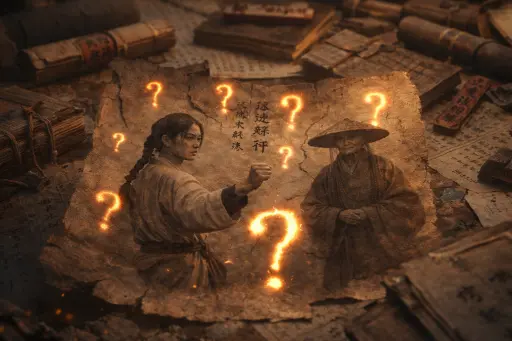
●But there’s a problem
To be honest, this story is quite questionable.
There are almost no records from the time.
There are multiple versions of the story.
And it was likely shaped in later periods.
In other words:
👉 It is less history, and more a myth refined after the fact.
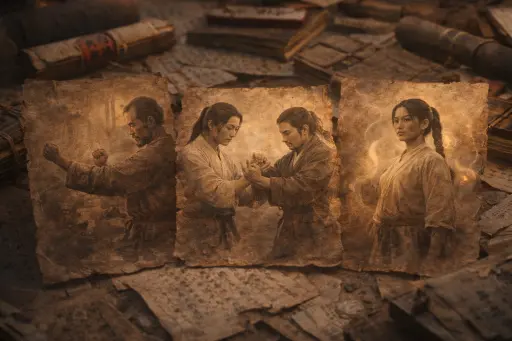
●There are other theories as well
For example:
Some say she learned from her father, Yan Er.
Others believe she developed it together with her husband, Leung Bok-Chau.
There is even a theory that Yim Wing Chun herself is a symbolic figure.
👉 In short, there is no single definitive answer.
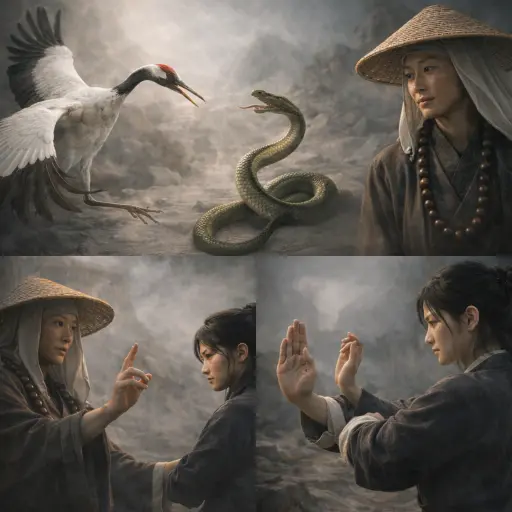
● A Martial Art Born from the Crane and the Snake
Ng Mui drew inspiration from observing animals in combat, systematizing their movements into a cohesive fighting method.
👉 The crane’s straight, precise strikes
👉 The snake’s fluid, evasive movements
From these principles, Wing Chun was born.
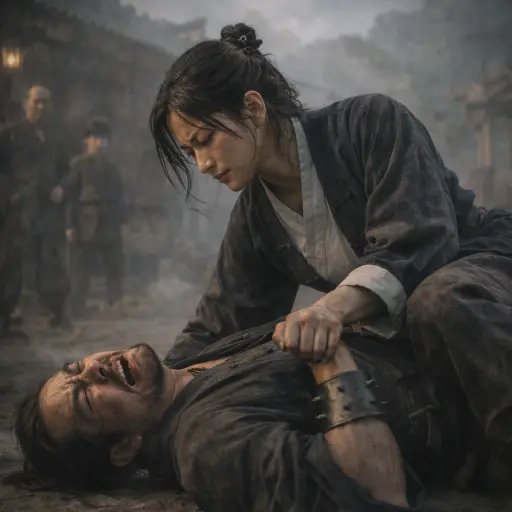
● The Reversal
After completing her training, Yim Wing Chun faced the man—and won.
It’s a perfectly wrapped ending, almost too perfect to be true.
But that’s exactly why it leaves such a powerful impression.
■ The Core Principles of Wing Chun (This Is What Really Matters)
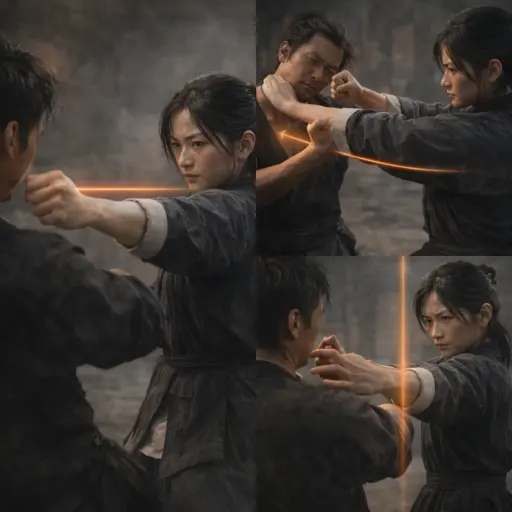
① Direct, Shortest-Path Attacks
No detours—strike in a straight line.
→ Zero wasted motion
② Simultaneous Attack and Defense
Strike while defending at the same time.
→ An almost absurd level of efficiency
③ Centerline Theory
Control the center of the body, and you control the fight.
→ Simple, but incredibly effective
④ Not Dependent on Strength
It’s designed with differences in physical strength already in mind.
→ That’s why even a smaller fighter—or a woman—can prevail
■ The Lineage That Followed
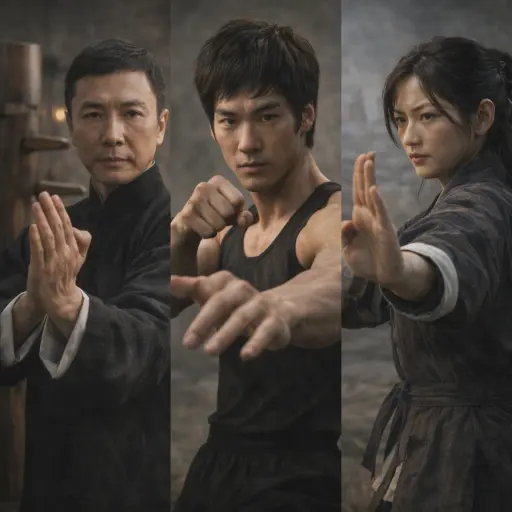
This art was passed down through generations,
with one of the most famous lineages being 👇
👉 Ip Man
And his student—
👉 Bruce Lee
In other words, Yim Wing Chun stands, indirectly, at the very origin of Bruce Lee.
■ A Realistic Assessment (No Sugarcoating)
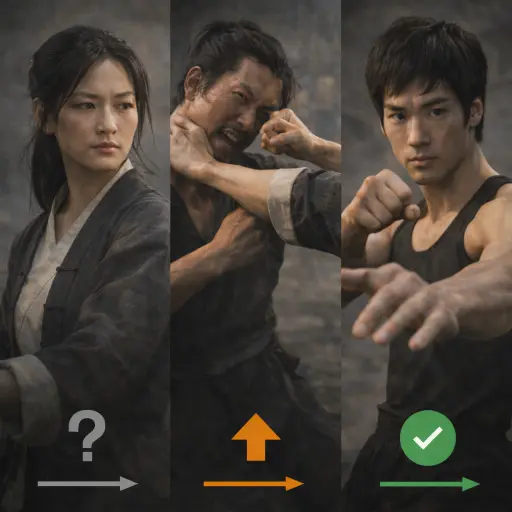
• Historical existence → Uncertain
• The story → Heavily embellished
• The martial art → Genuinely effective
That’s the honest, level-headed assessment.
■ The Real Fascination
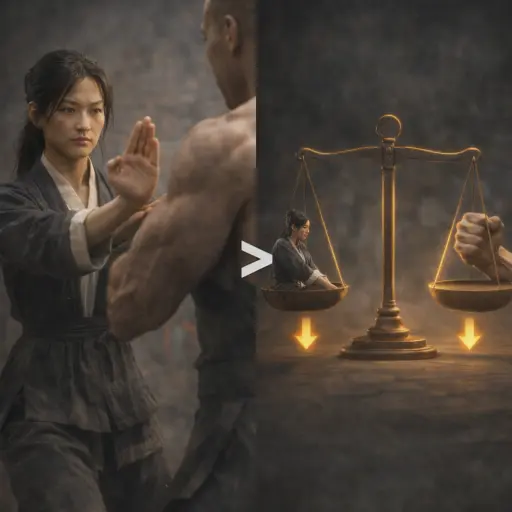
At its core, Yim Wing Chun’s story isn’t just a tale of a female warrior.
👉 It’s a system designed for the weak to defeat the strong.
That’s the real essence.
A direct challenge to a world dominated by brute strength—
And that’s exactly why it still endures today.
■ Conclusion
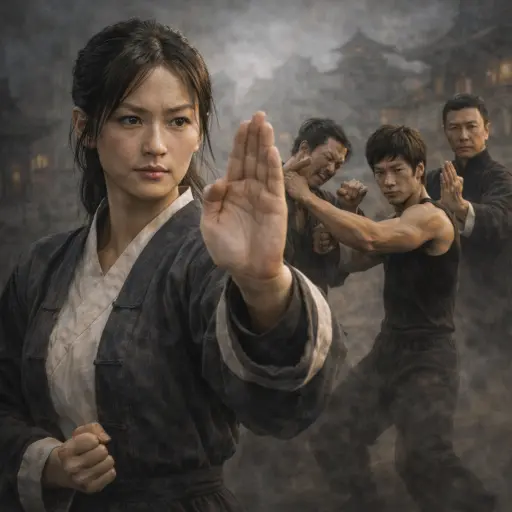
• Yim Wing Chun was a legendary female martial artist
• She is regarded as the founder of Wing Chun
• She created a rational combat system that overcomes physical differences
• Her legacy ultimately connects to the roots of Bruce Lee
The story of Yim Wing Chun begins here.
Yim Wing Chun
The Girl Whose Fist Surpassed Strength
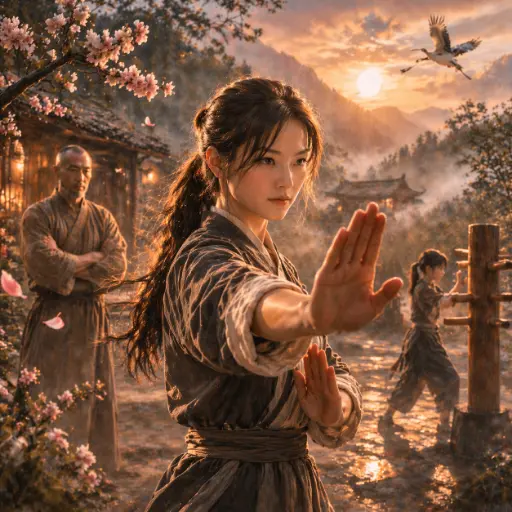
Prologue: A Fist in the Mist
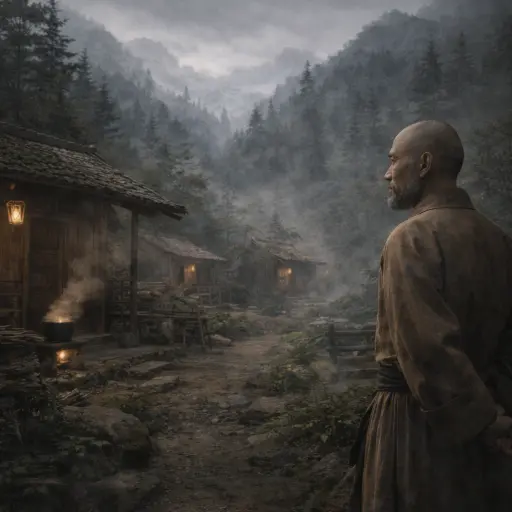
Deep within the mountains of Daliangshan, Sichuan—
Shrouded in mist lies a quiet village, nestled deep in the forest.
In this village lived a man who once trained at the Shaolin Temple,
but had since left behind the clamor of Guangdong for a life of solitude.
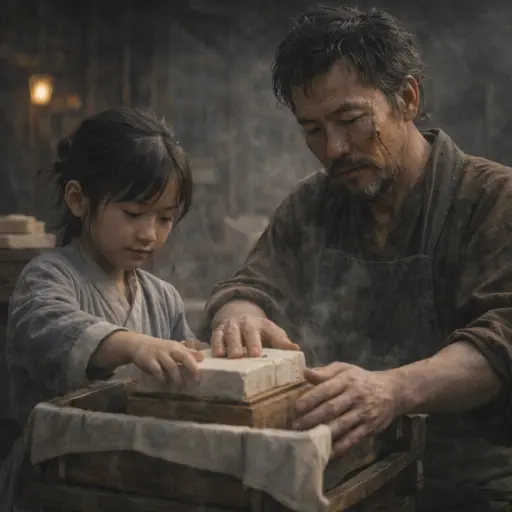
Yan Er.
A man scarred by the harsh tides of the world, who hides his truths and lives quietly, making tofu with his daughter in peace.
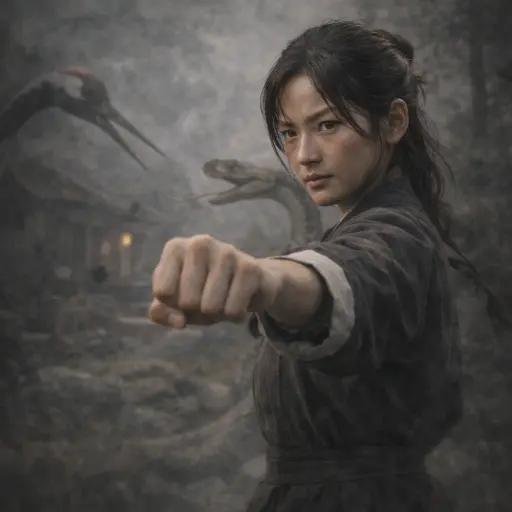
But the daughter who inherited his blood—Yim Wing Chun—was no ordinary girl.
Her eyes were calm like a crane’s, yet sharp like a serpent’s.
And soon, fate would call her forth from the stillness.
A fist that conquers not through brute force, but through softness and precision.
What is combat? What is victory? And what does it mean to survive?
The answer that one young girl discovered
would one day become a fist that moved the world.
This is not a story of martial arts, but of philosophy.
Not of violence, but of wisdom and grace.
The legend of a young girl whose strength lay in her softness—
This is the story of the birth of Wing Chun.
Chapter 1: The Fist of Wing Chun
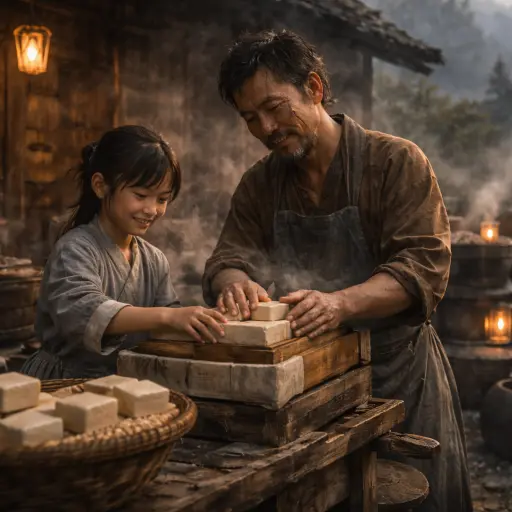
A Father and Daughter in a Hidden Mountain Hamlet.
In the misty mountains of Daliangshan, Sichuan,
nestled in a quiet village veiled by fog,
lived a father and daughter who ran a humble tofu shop.
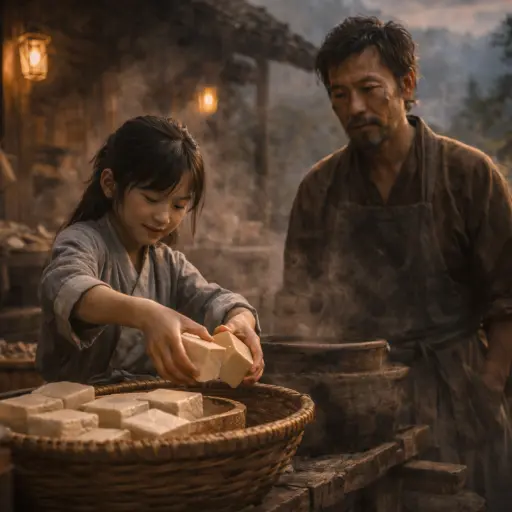
Father:
“Wing Chun, are you done over there?”
Yim Wing Chun:
“Yes, Father!”
The young girl, Wing Chun, carefully scooped up blocks of tofu with her small hands and placed them neatly into a basket.
Her father, Yan Er, had once been a merchant in Guangdong.
But after a certain incident, he fled and settled here in the mountains.
Wing Chun had never heard the full story of his past.
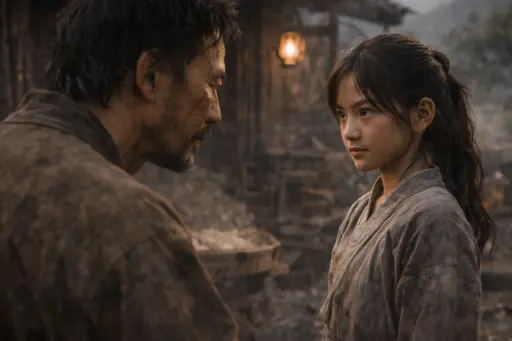
Yim Wing Chun:
“Father, why are you so strong?”
Father:
“A long time ago, I trained at the Shaolin Temple… just for a little while.”
Yim Wing Chun:
“Will you teach me?”
Father:
“All right.”
“But only if you’re truly prepared for what it means.”
Wing Chun looked at her father with unwavering eyes and gave a firm nod.
Chapter 2: The Battle of the Crane and the Snake
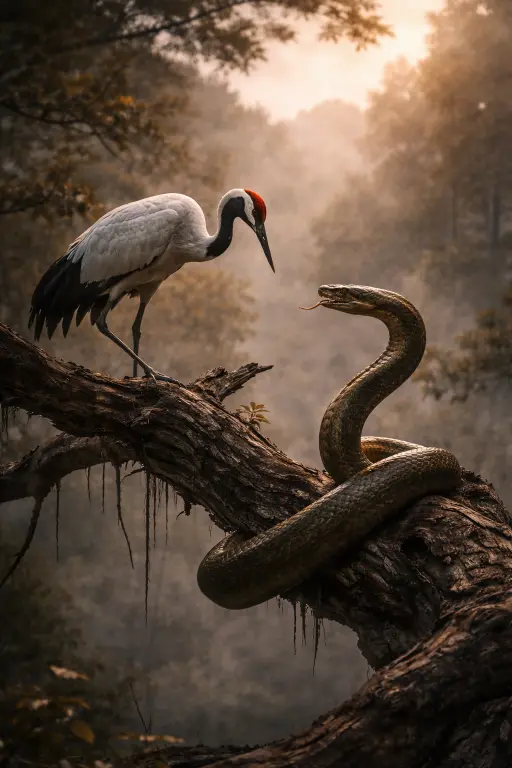
One day, Wing Chun witnessed a strange scene in the forest.
Atop a withered tree, a crane stood face-to-face with a serpent.
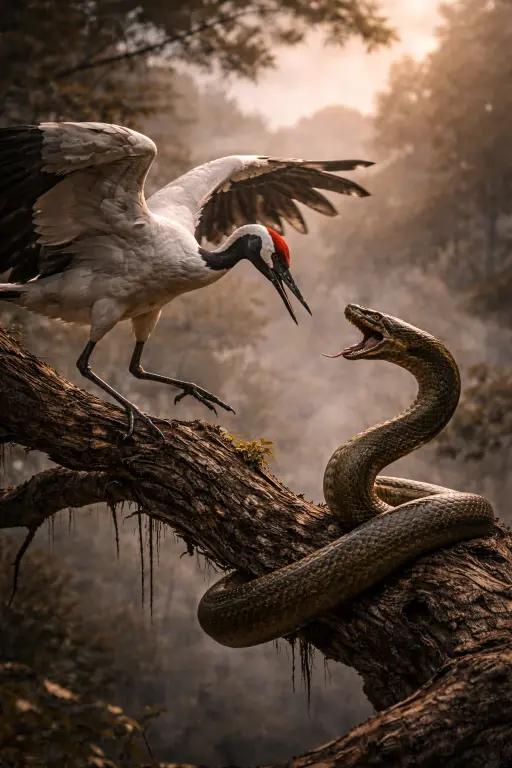
Yim Wing Chun:
“What are they doing…?”
The crane gracefully dodged the serpent’s strikes, countering with swift and precise jabs of its sharp beak.
The snake twisted its body with fluid motions, eyes locked, fangs bared, waiting for the perfect moment.
As Wing Chun watched their silent battle unfold, something dawned on her.
Yim Wing Chun:
“They’re not using strength…”
“They’re using movement to control the fight.”
They weren’t like the men in the village, who swung their fists with brute force.
The crane evaded the snake’s strikes with the smallest of movements, and the snake, in turn, used its supple body to outmaneuver the crane.
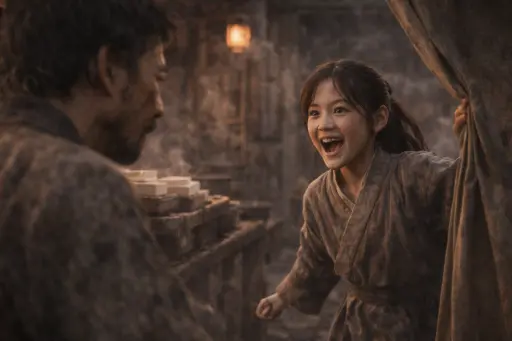
Yim Wing Chun:
“This is it…!”
Wing Chun rushed back home, her voice filled with excitement as she called out to her father.
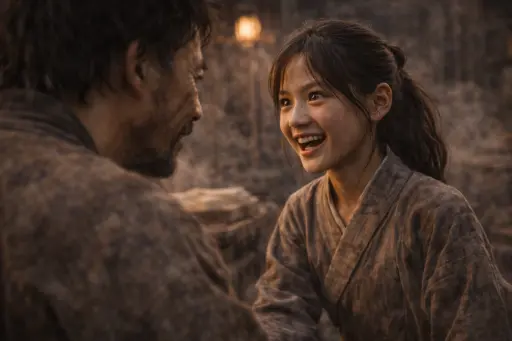
Yim Wing Chun:
“Father, I found it!”
“If I use my opponent’s strength like the crane and the snake, I can become even stronger!”
Father:
“…You really are an extraordinary girl.”
Though surprised, Yan Er saw something shining in her eyes.
Chapter 3: The Duel of Fate
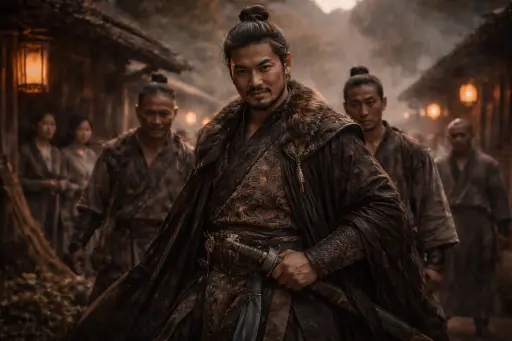
When Wing Chun turned seventeen, a powerful man came to the village.
He was the son of the village chief, infamous for seizing any woman he fancied by force.
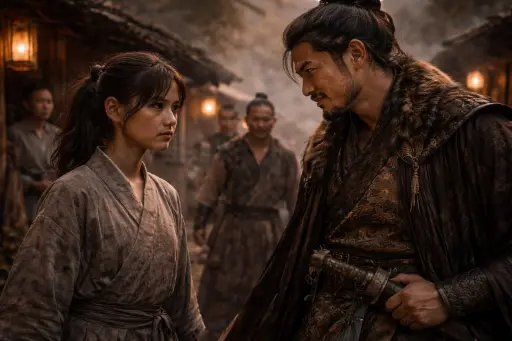
The man:
“Wing Chun, you will be my wife.”
Yim Wing Chun:
“No.”
Wing Chun refused without hesitation.
But the man only laughed and said:
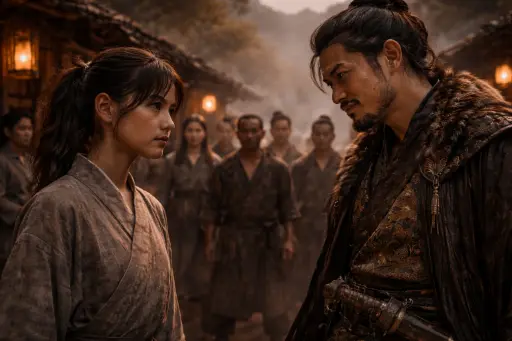
The man:
“Then let’s fight.”
“If you can defeat me, I’ll let you have your freedom.”
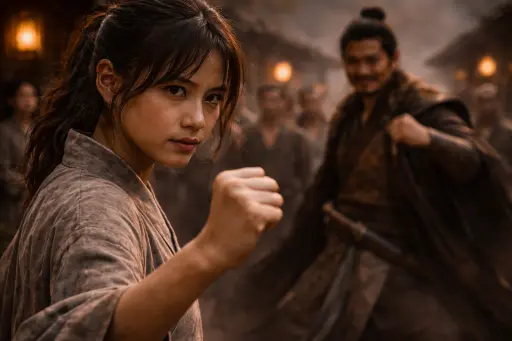
With the villagers watching in silence, the two stood face to face.
For a moment, doubt crept into her heart.
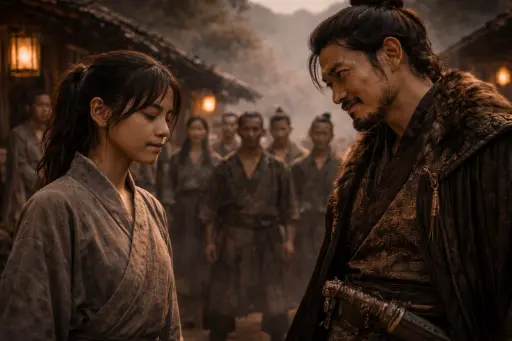
Yim Wing Chun:
“Can I really win…?”
But she took a deep breath.
Yim Wing Chun:
“I won’t lose.”
“This is my fight.”
“I will not belong to him.”
“I know I can’t win through sheer strength.”
“That’s why I’ll use his strength—
and make it my own path to victory.”
As she quietly clenched her fist, the doubt within her vanished like mist.
The man was a towering brute, all muscle and might.
It was said that a single blow from him could send even a grown man flying.
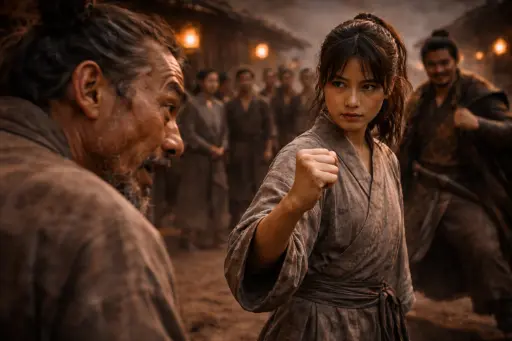
One of the villagers:
“Little girl, this’ll be over in one hit.”
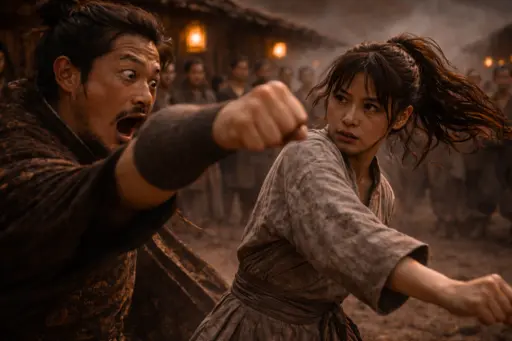
With a roar, the man’s fist came crashing down toward Wing Chun’s face.
But in that very moment, his punch met only air—
Wing Chun had slipped away like a whisper.
The man:
“What the—?!”
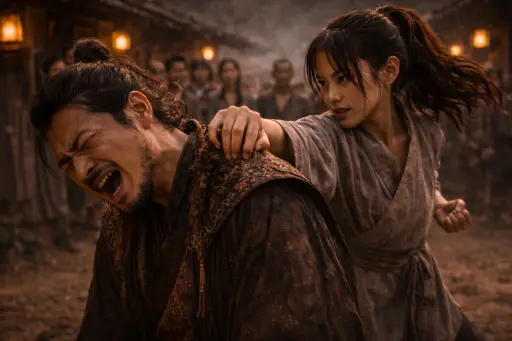
She turned with the grace of the wind, the man’s punch missing her by a hair.
In the next instant, Wing Chun’s slender fingers struck a vital point on his shoulder.
With a sharp jolt of pain, the man dropped to his knees—unable to withstand the blow.
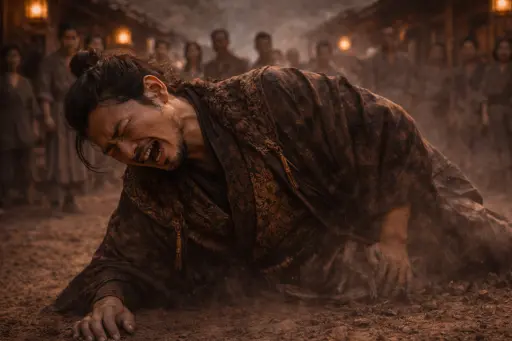
The man:
“Ugh…!”
The man lost his balance and collapsed to the ground.
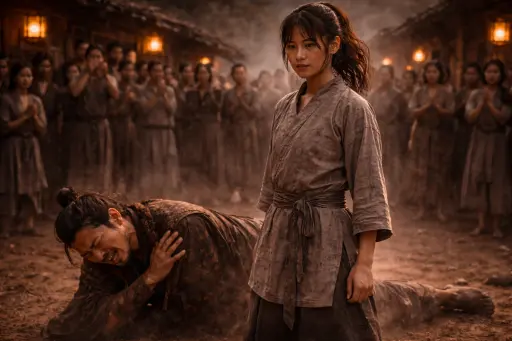
A murmur spread through the crowd of villagers.
Wing Chun had used her opponent’s strength against him, and with the smallest of movements, ended the fight.
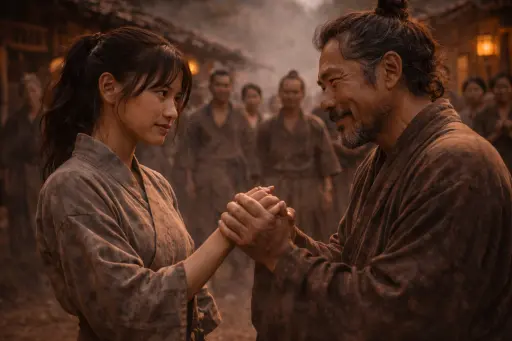
Father:
“Wing Chun, what you’ve created… It’s incredible.”
“What do you plan to do with this technique?”
Yim Wing Chun:
“I only wanted to learn how to fight with skill and wisdom—not brute strength.”
Father:
“But your technique… it will help many people.”
Yan Er took his daughter’s hand in his and spoke with pride.
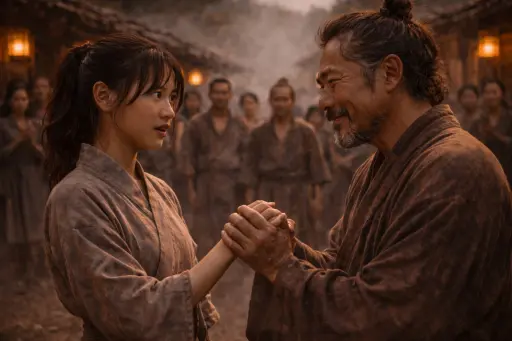
Father:
“Let’s give this fist a name.”
“How about calling it ‘Wing Chun Kuen’—after you?”
Wing Chun was surprised, but she nodded quietly.
And so, the martial art that would bear her name was born.
Chapter 4: The Spread of the Legend
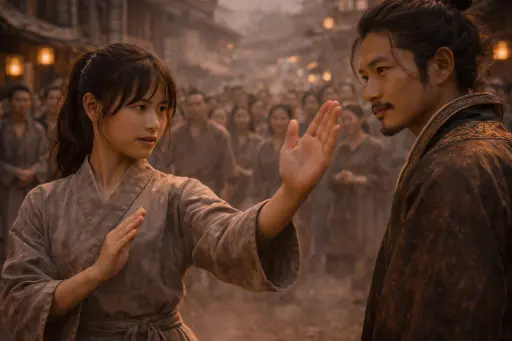
Wing Chun set out on her journey around the time she turned twenty.
Leaving behind the quiet life of the mountains, she made her way to Guangdong— to test her fists, and to share them with the world.
Along that journey, she met the man who would one day become her husband: Leung Bok-Chau.
The first time he witnessed her technique, he was captivated by the fluidity of her movements.
Something stirred deep within his chest—something he had never felt before.
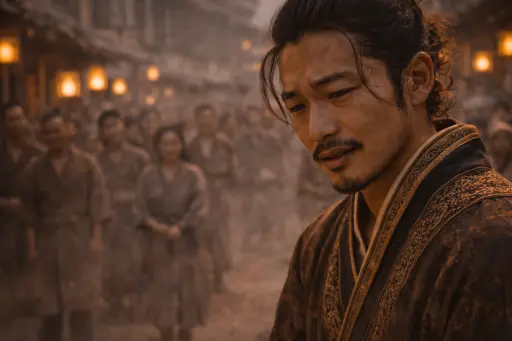
Leung Bok-Chau:
“This isn’t just martial arts…”
“It’s a philosophy for living.”
“I used to believe that in martial arts, strength decided everything.”
“But I was wrong…”
Leung Bok-Chau murmured, his voice trembling.
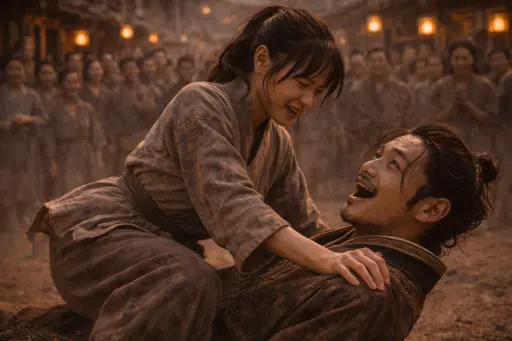
He challenged her again and again, but Wing Chun evaded every move and brought him to the ground with the barest motions.
Breathless with excitement, Leung Bok-Chau exclaimed:
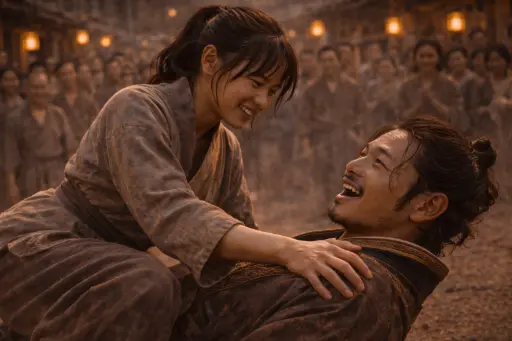
Leung Bok-Chau:
“I want to learn Wing Chun!”
“Master… I finally understand.”
“It’s not about force.”
“It’s about moving with the flow of your opponent.”
“That’s the essence of this fist, isn’t it?”
Yim Wing Chun:
“At last, your eyes are open.”
Wing Chun smiled and patted Leung Bok-Chau on the shoulder.
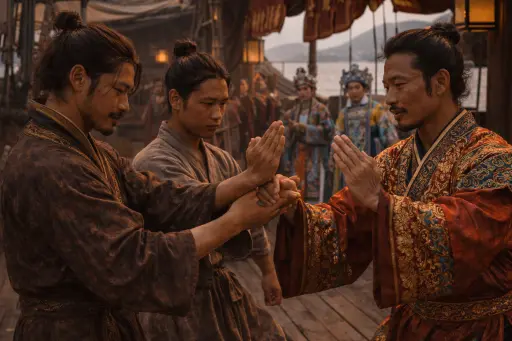
Wing Chun passed her techniques on to Leung Bok-Chau, who refined them further and taught them to his nephew, Leung Lan-Kwai.
Leung Lan-Kwai then passed the art to Wong Wah-Bo, a martial arts actor in Cantonese opera.
Through the “Red Junk Opera Troupe,” Wing Chun spread across the land of Guangdong.
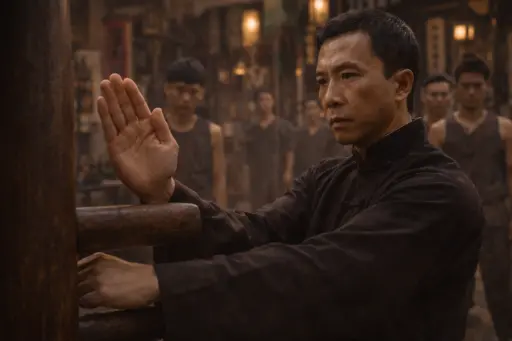
And so, the art was handed down through generations, until it finally reached the hands of Ip Man.
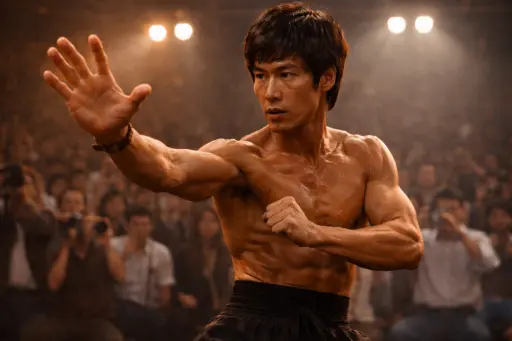
In time, Ip Man’s disciple—Bruce Lee—would carry Wing Chun beyond borders, introducing its philosophy and power to the world.
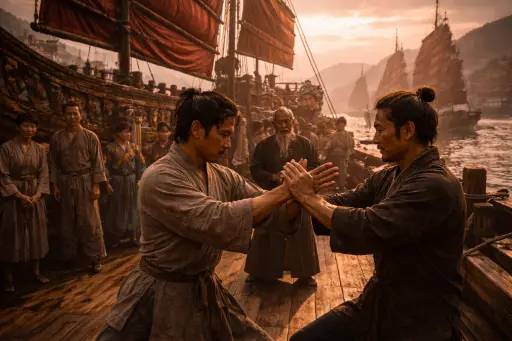
Far away, in the harbor towns of Guangdong, the echoes of Wing Chun still resound.
They danced across the decks of the Red Junk ships, riding the waves of time, spreading across the world.
Even as Wing Chun herself vanished into the misty mountains of Daliangshan, her fists did not fade.
They live on—somewhere, in the hands of those who still move with purpose.
Author’s Afterword
When we think of martial arts, we often picture fierce men exchanging powerful blows—muscles straining, faces grim, fists flying.
It’s a world that has long been associated with masculinity, strength, and aggression.
That’s why I was truly astonished when I first learned that the very martial art used by Bruce Lee—arguably the most iconic martial artist in modern history—was originally founded by a woman.
Yes, you read that right.
Wing Chun, the elegant yet powerful art that influenced Jeet Kune Do, traces its roots not to a legendary warrior monk or general, but to a young woman named Yim Wing Chun, who defied expectations with a fist that flowed like water and struck like lightning.
Her story is not just about fighting—it’s about resilience, philosophy, and redefining strength.
It’s a tale of grace triumphing over brute force, of silence echoing louder than roars.
And for me, it’s a reminder that history isn’t just written by kings and generals—it’s also shaped by quiet fists, soft movements, and courageous hearts.
I hope Wing Chun’s journey has inspired you as much as it did me.
Thank you for reading—and for allowing me to share a piece of forgotten wisdom from the misty mountains of China.
Let’s continue exploring the untold stories that shaped our world.
—Storyteller Fuji
Become Part of the Chronicle
If this article inspired you, consider supporting the project.
Become a character in the Chronicle.
Receive your own custom card and stand alongside queens, warriors, inventors, rebels, and legends from history.
Your support helps keep these stories alive and allows me to create more articles, illustrations, and historical cards.
Join the Chronicle and leave your mark on history.
Author: Fuji

Human history is truly complex, isn’t it?
There are countless websites introducing historical figures and events,
but many of them are just plain explanations—not exactly exciting to read.
On the other hand, reading books takes a lot of time and effort.
That’s where I come in.
Through “stories that are more engaging than explanations and shorter than books,”
I aim to bring the world’s history and humanity’s records to you in a more accessible and interesting way.
If my stories inspire you to love history a little more, I’d be absolutely thrilled!

Comment